The world of performance marketing is packed with confusing acronyms. Even if you know the difference between SEO, PPC and CRO, each service also has hundreds of different abbreviations and industry terms that you need to know.
In the field of pay-per-click advertising (PPC), the jargon is particularly confusing. To help you improve your knowledge, we’ve created this PPC jargon buster that outlines everything you need to know:
Acronyms
Pay-Per-Click (PPC)
Let’s start with the big one: pay-per-click or PPC. This is a broad term that covers all elements of advertising where you pay for clicks through to your website or app.
In this regard, PPC is completely separate from Search Engine Optimisation (SEO). With PPC you pay for clicks, but with SEO you aim to rank for key terms organically.
Traditionally, PPC links are marked as ‘sponsored’ and appear right at the top of the search engine results page (above organic results):

These links appear for free. However, if someone clicks on them, the business involved will pay a fee to Google.
Cost-Per-Click (CPC)
This is how much you will pay for a click (regardless of whether the visitor converts or bounces straight off the website). For individual keywords or ad placements, this is usually shown as an average cost.
Max CPC
This is the maximum amount that you will pay for a single click. If you use ‘manual bidding’ then you manually enter this figure, which is the maximum cost you are prepared to pay for a click in any keyword auction.
Click-Through-Rate (CTR)
This is one of the most widely-used indicators of performance in paid advertising. The click-through-rate is the percentage of impressions you’ve delivered that resulted in a click. So, if you have 100 impressions and one click, then you have a CTR of 1%.
Cost-Per-Acquisition (CPA)
The cost-per-acquisition is the amount of money you pay to acquire a conversion (usually a new customer). When running a PPC campaign, you need to constantly iterate with the aim of lowering the CPA.
Call-To-Action (CTA)
This is a piece of content that encourages a visitor to take a desired action, e.g. ‘fill in our contact form’, ‘download today’ or ‘buy now’.
Return On Investment (ROI)
If you set up conversion tracking, you can accurately measure how much revenue you’ve generated from your daily budget or total click spend. This shows you the return you’ve received on your outlay.
Platforms and Dashboards
Google Ads
This is the Google PPC dashboard. It encompasses all PPC advertising across Google platforms including search, display, shopping and video. All campaigns, budgets, ad text and keywords are managed centrally here.
Display Network
Google Ads also allows you to place ads on websites that have signed up to the Display Network. The result is you can place text and image ads on a variety of news sites, blogs or relevant websites in your industry to reach potential customers.
Google Shopping
Most people with e-commerce websites use Google Shopping for their PPC campaigns. Ads here are triggered when someone searches using a relevant keyword. Your product will then be displayed alongside similar products.
Keyword-Related Terms
Keyword
A ‘keyword’ (sometimes called a keyphrase) is a search term. It’s usually a single word or short phrase, but can be longer. It’s what people enter into the search box.
Keyword Match Types
When you’re using Google Ads, you can target keywords in different ways. Each of these methods can be highly effective, and you may have to try different techniques in order to uncover which is best for you. The options available include:
Broad Match
This type of keyword will result in your ads showing for a range of related searches that have the same or similar intents. For example, if you’re bidding on ‘SEO agency London’, you may also appear for ‘search engine optimisation agency London’.
Phrase Match
This type of keyword match results in your ad showing for keywords that include a certain phrase, or very close variations. This will include additional words that appear before or after your target phrase. For example, if you’re looking to appear for ‘SEO agency’, then you may also appear for ‘small SEO agency’.
Exact Match
This type of match type means you can target an exact keyword or very close variation. Close variants include keywords with the same meaning regardless of spelling or grammar differences, e.g. ‘SEO agency’ and SEO agecny’.
Negative Keywords
No matter which of the above targeting methods you choose, there will be times when you generate impressions and clicks for keywords that aren’t relevant to your business.
For example, if you’re an e-commerce business that sells women’s clothing and you’re using a phrase match keyword of ‘blue shoes’, then this will deliver impressions for someone who is searching for ‘men’s blue shoes’.
As you don’t sell shoes that match this search, you need to make sure the ad doesn’t display. If not, you’ll end up paying for clicks that will never lead to a conversion.
Thankfully, to stop this from happening, all you need to do is add the offending term to a list of negative keywords. In this instance, you would add ‘men’, and this will mean that none of your ads will show for any search that includes the word ‘men’.
Industry Terms
Impressions
The number of impressions reported is the number of times your ad has been seen or shown in search results.
Remarketing
Using paid advertising platforms like the Google Display Network, you can show your advert to people who you know have previously visited your website.
If your audience is big enough, you can segment it. This means that you can target specific individuals who have viewed a particular product or service on your website and did not make a purchase.
Conversion
A conversion is something that you’re hoping to achieve: it could be a purchase, a view of a certain webpage or a form fill.
Conversion Tracking
When you’re running a PPC campaign, it’s vital that you set up conversion tracking. This way, you can accurately judge the return on your ad spend.
In e-commerce specifically, conversion tracking usually involves tracking the number of orders your paid advertising has generated. You’ll also need to know the value of the orders placed.
Ad Group
Each PPC campaign should be split down by Ad Group. Each Ad Group has its own set of keywords and ads, which means that you can make highly effective and targeted campaigns.
Quality Score
The higher your Quality Score, the more effective your ad should be (and the more effective your ad spend becomes).
When you run a standard paid search campaign in Google Ads, each keyword is given a Quality Score out of 10. This score changes over time based on a variety of factors. The higher the score, the better.
Ad Scheduling
Within each Google Ads campaign, you can create custom schedules. This can be very useful, for example if your call-to-action is for someone to ring you and you’ll only answer the phone during set business hours.
Even if your CTA is for someone to buy a product, scheduling your ads could be useful because you can ensure they’re displaying during the time of day when you see the best conversion rate.
Daily Budget
In order to set up a Google Ads campaign, you need to set a daily budget. As you may expect, this is the maximum amount you’re willing to pay for advertising each day.
You can easily change your daily budget while the campaign is running.
A/B Testing
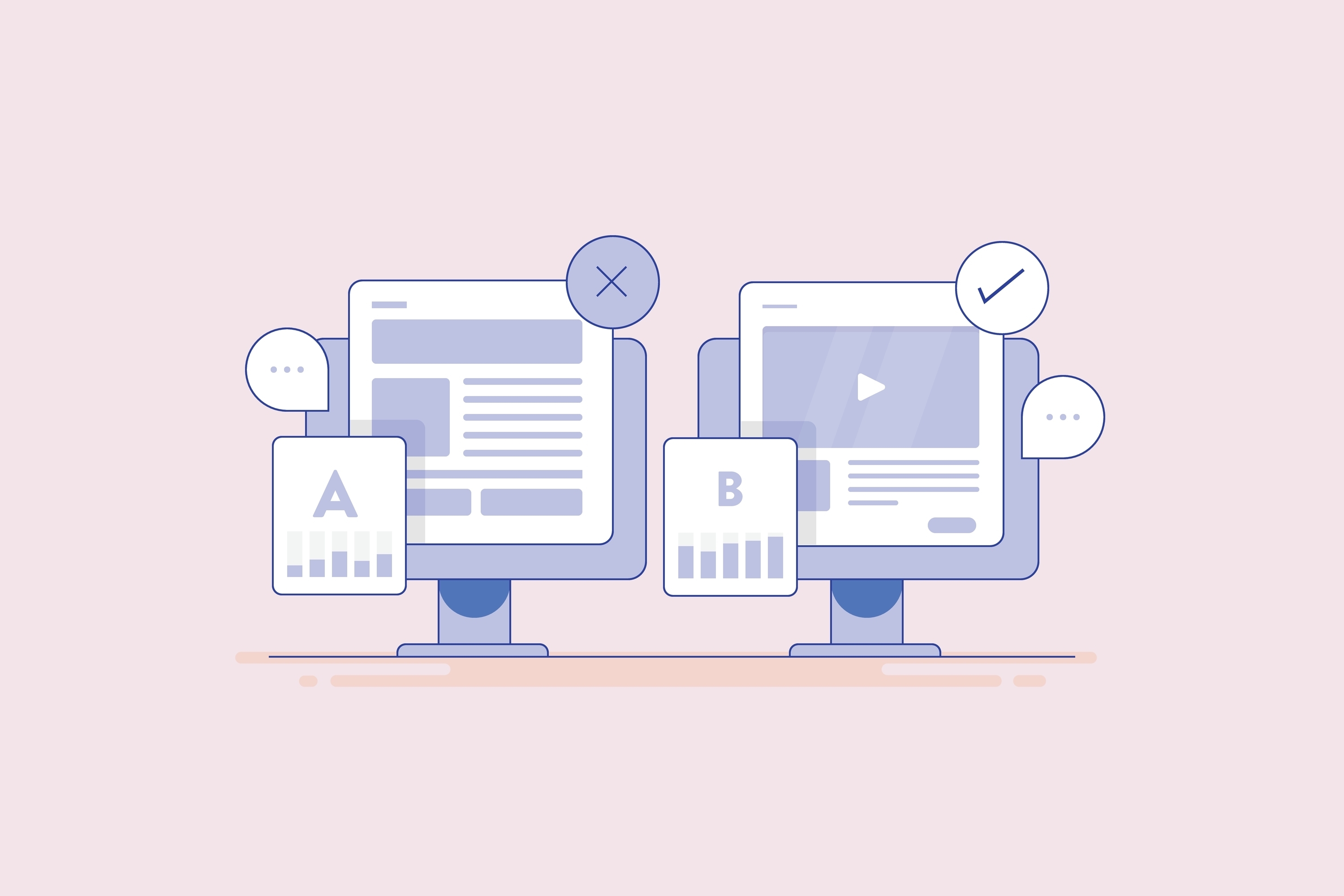
This involves testing the performance of two different pages alongside each other. For example, you may create two different versions of the same landing page in order to see which performs best.
Tools like Google Optimize will allow you to compare a variety of engagement metrics.
Display URL
No matter which landing page link you use on your Google Ads, you can ask for specific text to be shown. This shortens the link and helps your ad appear more attractive.
That’s a comprehensive guide to all of the PPC terms you need to know. We regularly update our PPC jargon buster, so check back again to discover more.